Buying a New-Build Property in Spain: Legal Guide for Foreign Buyers
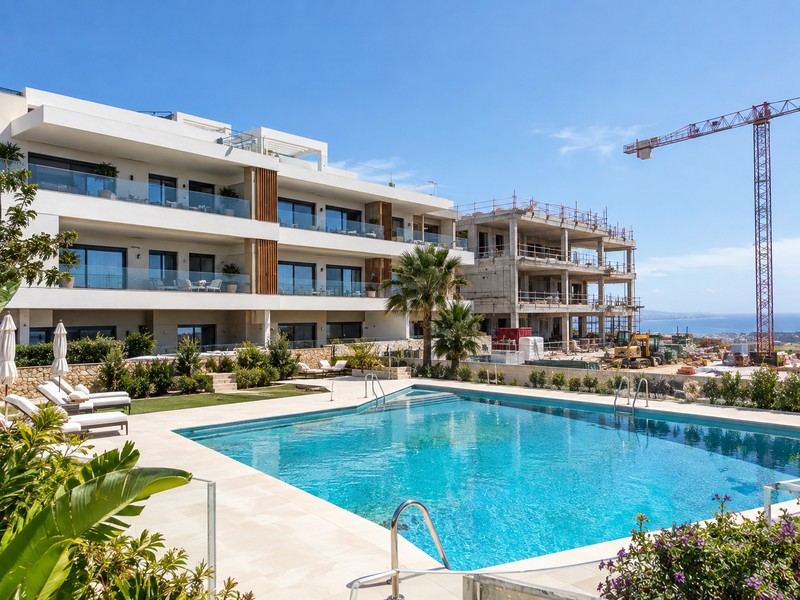 Spain continues to be one of the most popular destinations for foreign property buyers, particularly in Andalusia, the Valencian Community and the Region of Murcia. Coastal areas such as the Costa del Sol, Costa Blanca and Costa Cálida continue to attract international buyers looking for a second home, retirement property or investment opportunity. New-build developments are particularly attractive to foreign buyers because of their modern construction standards, energy efficiency, communal facilities and the fact that a newly built property will generally not require immediate renovation or refurbishment.
However, buying a new-build property in Spain — particularly when buying off-plan — is very different from purchasing a resale property. In many developments, buyers commit to the purchase while construction is still under way and may sign the private purchase contract two or even three years before the property is completed. During this period, substantial payments may be made to the developer. It is therefore essential to understand the legal, planning, contractual and financial implications of the purchase before becoming legally committed.
This guide explains the main legal issues foreign buyers should consider when buying a new-build or off-plan property in Spain, from the initial reservation and legal due diligence through to the private purchase contract, bank guarantees, mortgage finance and final completion before a Spanish Notary Public.
Contents
• Legal due diligence when buying a new-build property in Spain
• Reserving a property before the Building Licence is granted
• The Private Purchase Contract
• Negotiating the developer’s contract
• Advance and stage payments
• Bank guarantees for off-plan property
• Delays in completion
• Mortgages for off-plan properties
• Taking over the developer’s mortgage
• Completion before a Spanish Notary Public
• Independent legal advice
• Taxes on new-build properties in Spain
• Frequently asked questions
Legal Due Diligence When Buying a New-Build Property in Spain
Many buyers understandably focus on the location, views, floor plans, communal areas and finishes of a new development. Whilst these factors are important, from a legal perspective there are other matters that should be carefully investigated before committing to the purchase. Before signing the Private Purchase Contract (PPC) with the developer, it is highly advisable to carry out comprehensive legal due diligence on the property and development. Legal due diligence is not legally mandatory. However, it is one of the most effective ways of identifying potential problems before substantial amounts of money are paid to the developer. The investigation should be carried out by an independent property lawyer acting exclusively in the buyer’s interests.
What should legal due diligence include?
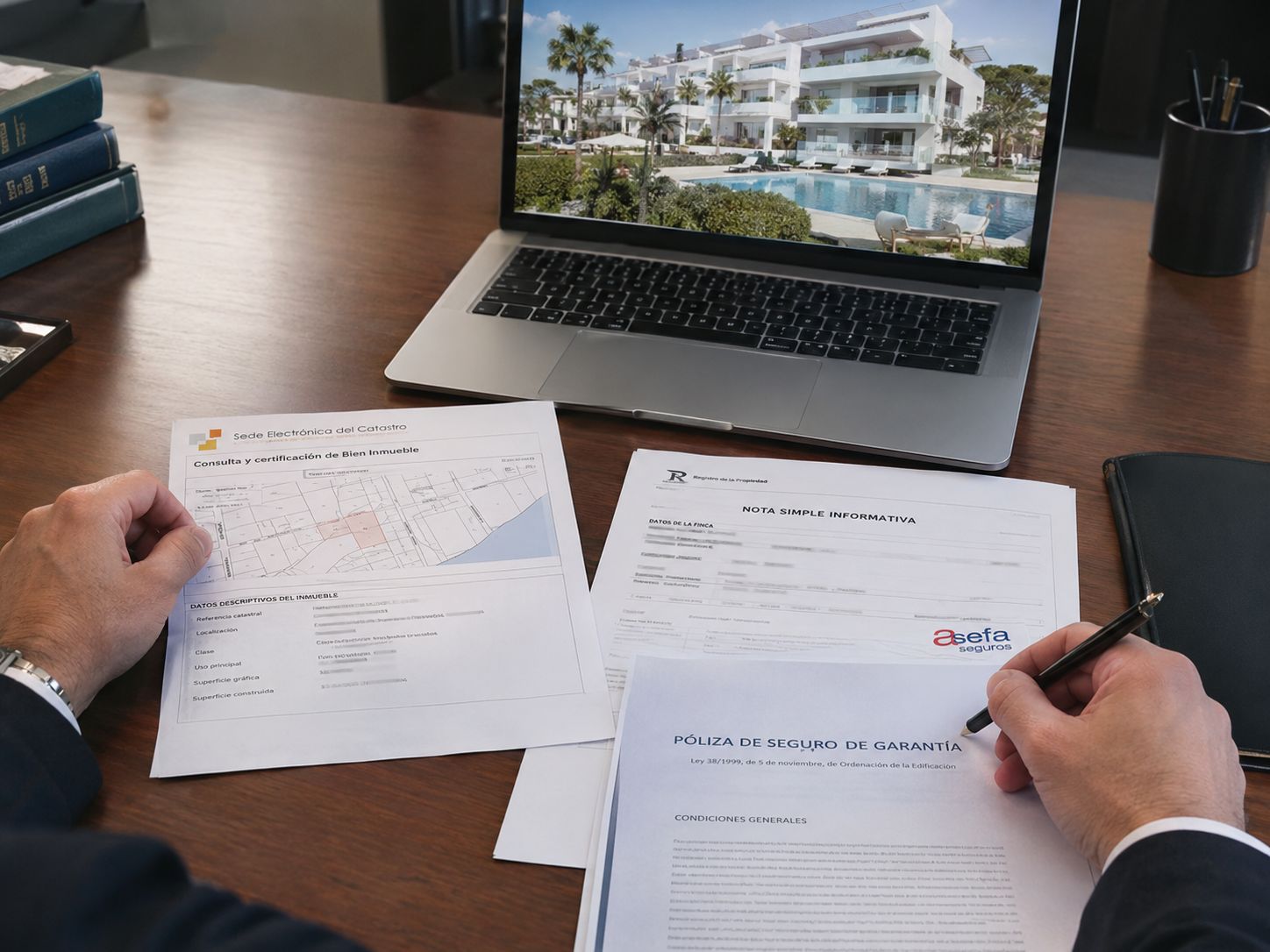 Depending on the development and circumstances of the transaction, the due diligence process should verify, amongst other matters:
• Ownership of the land.
• The Land Registry status of the development.
• Existing charges or mortgages affecting the land.
• The urban planning status of the development.
• The status of the Building Licence.
• Planning permissions and approvals.
• Infrastructure and utility connections.
• Community of Owners documentation, where applicable.
• The terms of the Private Purchase Contract.
• The developer’s contractual obligations.
• Completion dates and possible extensions.
• Permitted variations to the development or property.
• Bank guarantee arrangements for advance payments.
• Construction guarantees and insurance.
• The circumstances in which either party may terminate the contract.
Once the investigation has been completed, the buyer should ideally receive a detailed Legal Due Diligence Report setting out the legal situation of the property and development, together with any risks or relevant issues identified. This report should be provided before the buyer signs the Private Purchase Contract and before significant sums are paid to the developer. The objective is to ensure that you understand both the legal status of the property and the contractual obligations you will be assuming before you become legally committed to the purchase.
Can I Reserve a Property Before the Building Licence Has Been Granted?
Yes. In fact, this is relatively common with newly launched developments in Spain. Developers may begin marketing a project and accepting reservations before the Building Licence has formally been granted by the relevant Town Hall. This does not necessarily mean that there is a problem with the development. However, buyers should understand that construction cannot legally commence until the required Building Licence has been issued. For this reason, if the Building Licence has not yet been granted, the reservation agreement should contain appropriate protection for the buyer.
In particular, the reservation should normally be conditional upon the developer obtaining the Building Licence within an agreed period. If the licence is not obtained within that timeframe, the buyer should normally have the right to terminate the reservation agreement and recover the amounts paid. In practice, the period between signing the reservation agreement and the Private Purchase Contract is often used by the buyer’s lawyer to carry out legal due diligence and verify the legal and planning status of the development.
What Should Be Checked Before Signing the Private Purchase Contract?
The Private Purchase Contract, commonly referred to as the PPC, is one of the most important documents when buying a new-build or off-plan property in Spain. Unlike the reservation agreement, which is usually relatively short, the PPC establishes the principal contractual obligations governing the transaction until completion. It also normally requires the buyer to make substantial payments towards the purchase price. Before signing the contract, buyers should fully understand its terms and legal consequences.
Completion dates
Foreign buyers sometimes assume that the anticipated completion date stated in the contract is fixed. In practice, new-build contracts frequently include provisions allowing the developer additional time to complete the development in certain circumstances. Your lawyer should explain both the expected completion date and any contractual extension periods before you sign.
Permitted variations
New-build contracts commonly allow developers to make certain changes to the project as a result of technical requirements, planning conditions, availability of materials or other construction-related circumstances. The contract should be reviewed carefully to establish what variations are permitted and what protection the buyer has if substantial changes are made to the property or development.
Payment schedule
The contract should clearly establish when payments are due.
A typical structure may include:
• A reservation payment.
• A deposit upon signing the PPC.
• One or more stage payments during construction.
• The remaining balance upon completion.
The exact payment structure will vary between developments.
Termination rights
The circumstances in which either the buyer or developer may terminate the contract should also be carefully reviewed. Buyers should understand what constitutes a breach of contract, when they may be entitled to recover payments already made and what consequences may arise if they are unable to complete the purchase.
Can the Developer’s Contract Be Negotiated?
Sometimes. Large property developers generally use standardised contracts prepared by their own legal teams and may have limited willingness to negotiate individual clauses. This is particularly common in developments where demand is high and properties are selling quickly. Nevertheless, an experienced property lawyer should identify provisions that may be unfavourable to the buyer and, where appropriate, seek amendments or clarification from the developer.
There is no guarantee that the developer will agree to the proposed amendments. However, even where a clause cannot be changed, it is important that the buyer understands its legal and practical consequences before deciding whether to proceed. The purpose of reviewing and negotiating the contract is therefore not simply to obtain better contractual terms. It is also to ensure that you fully understand the obligations, limitations and risks you are accepting.
How Are Advance Payments for New-Build Properties Normally Structured?
Payment schedules vary considerably between developments, but a typical arrangement may involve:
• A reservation fee when the property is initially reserved.
• Between 15% and 20% of the purchase price plus VAT when the Private Purchase Contract is signed.
• A further 15% to 20% of the purchase price plus VAT through stage payments during construction.
• The remaining balance upon completion before a Spanish Notary Public.
This means that a buyer may have paid approximately 30% to 40% of the purchase price, plus the corresponding VAT, before construction has been completed. For this reason, legal due diligence and the protection of advance payments are particularly important when buying an off-plan property in Spain.
Bank Guarantees When Buying an Off-Plan Property in Spain
The protection of advance payments is one of the most important legal considerations when buying a property that is still under construction. Spanish law requires developers receiving advance payments from buyers to provide protection for those amounts, subject to the applicable legal requirements. Foreign buyers sometimes assume that an individual bank guarantee will necessarily be physically delivered on the same day that the Private Purchase Contract is signed. In practice, this is not always the case.
The PPC may instead require the developer to provide the appropriate guarantee within a specified period following execution of the contract. The contract should also identify the special bank account established for the development into which buyers’ funds are to be deposited. These protection mechanisms are particularly important because substantial sums may be paid to a developer months or even years before the property is completed. Your lawyer should therefore verify how the advance payments are protected, review the relevant contractual provisions and ensure that the appropriate arrangements are in place.
Can Developers Delay Completion of a New-Build Property?
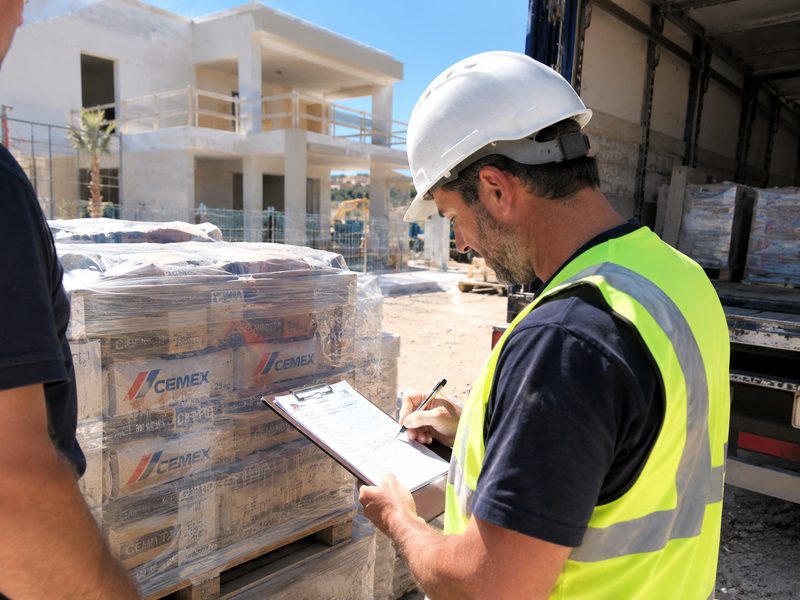 Yes. Most Private Purchase Contracts contain provisions allowing the anticipated completion date to be extended in certain circumstances. Examples may include:
• Delays in obtaining administrative approvals.
• Delays with utility connections.
• Supply chain problems.
• Labour shortages.
• Technical modifications.
• Adverse weather conditions.
• Force majeure events.
Although a developer may undertake to complete construction within a particular period, the contract may also allow an additional extension period. In practice, contractual extensions of approximately four to six months are commonly found in new-build purchase contracts. During a valid contractual extension period, the buyer will not normally be entitled to terminate the contract, claim compensation or impose a penalty on the developer merely because the property has not been completed by the original anticipated date.
For this reason, the completion and extension clauses should be carefully reviewed before signing the PPC. Your lawyer should explain exactly how these provisions operate so that you understand how much flexibility the developer has regarding the final completion date.
Can I Obtain a Mortgage for an Off-Plan Property in Spain?
This is one of the most frequently misunderstood aspects of buying an off-plan property. A buyer may be financially eligible for mortgage finance when reserving the property, but this does not mean that a bank is guaranteeing that the mortgage will be approved when the development is completed. When an off-plan property is reserved, the individual completed dwelling may not yet exist as such from a Land Registry perspective.
Consequently, a lender will not normally be able to issue definitive mortgage approval at the time the reservation agreement or PPC is signed.
At that stage, a bank or mortgage adviser may be able to provide an indication of the buyer’s borrowing capacity based on their current income and financial circumstances. However, this should not be confused with formal mortgage approval. A definitive assessment will normally only be possible once:
• Construction has been completed.
• The Final Certificate of Completion has been issued.
• The property has been properly registered.
• The bank is able to arrange a valuation of the completed property.
• The lender can reassess the buyer’s financial circumstances at that time.
With some new-build developments, this may occur two or even three years after the Private Purchase Contract was originally signed. During that period, the buyer’s income, employment, borrowing requirements or personal circumstances may change. Lending criteria and market conditions may also be different.
Buyers who require mortgage finance should therefore understand that purchasing an off-plan property involves a degree of mortgage risk. You may be contractually committed to purchasing the property and may already have paid substantial sums to the developer without having an absolute guarantee that the mortgage you expect to obtain will ultimately be approved.
Can I Take Over the Developer’s Existing Mortgage?
Developers frequently finance construction through a development loan secured by a mortgage over the project. In some circumstances, purchasers may be offered the possibility of taking over the portion of that mortgage corresponding to their property upon completion. This process is commonly referred to as mortgage subrogation. Subrogation may sometimes simplify the financing process or reduce certain costs, but buyers should not assume that it is automatic. The bank is not obliged to accept the purchaser as the new borrower. The lender will normally carry out its own assessment of the buyer’s income, financial circumstances and eligibility under its lending criteria before making a final decision. The terms available at completion may also differ from those anticipated when the property was originally reserved.
What Happens When a New-Build Property Is Completed?
 The final purchase of the property takes place before a Spanish Notary Public. At completion:
• The title deed is signed.
• The outstanding balance of the purchase price is paid.
• Ownership is transferred to the buyer.
• The keys are normally delivered.
• Registration of the buyer’s ownership at the Land Registry is initiated.
• The relevant tax formalities are processed.
• Arrangements for utilities such as electricity and water can be completed.
Before completion takes place, your lawyer should verify that the developer has complied with the relevant contractual obligations and that the documentation required to complete the transaction is available.
This final legal review is particularly important in a new-build purchase because the legal and physical status of the development may have changed considerably since the buyer first reserved the property.
Do I Need an Independent Property Lawyer When Buying from a Developer?
Strictly speaking, appointing an independent lawyer is not legally mandatory. However, purchasing a new-build property may involve committing hundreds of thousands of euros and paying substantial sums to the developer long before the property has been completed. It is also important to understand the different roles of the professionals involved in the transaction. The developer’s lawyers represent the developer’s interests. The Spanish Notary Public is an impartial public official and does not carry out legal due diligence on behalf of the buyer. For these reasons, many foreign buyers choose to appoint an independent property lawyer to represent their interests throughout the purchase.
An experienced lawyer can carry out legal due diligence, review and explain the contractual documentation, seek amendments from the developer where appropriate, monitor the protection of advance payments and guide the buyer through the transaction until completion. The objective is to ensure that you make your decision with a clear understanding of the legal status of the property and development, the contractual obligations you are assuming and any relevant risks identified during the legal investigation.
What Taxes Are Payable When Buying a New-Build Property in Spain?
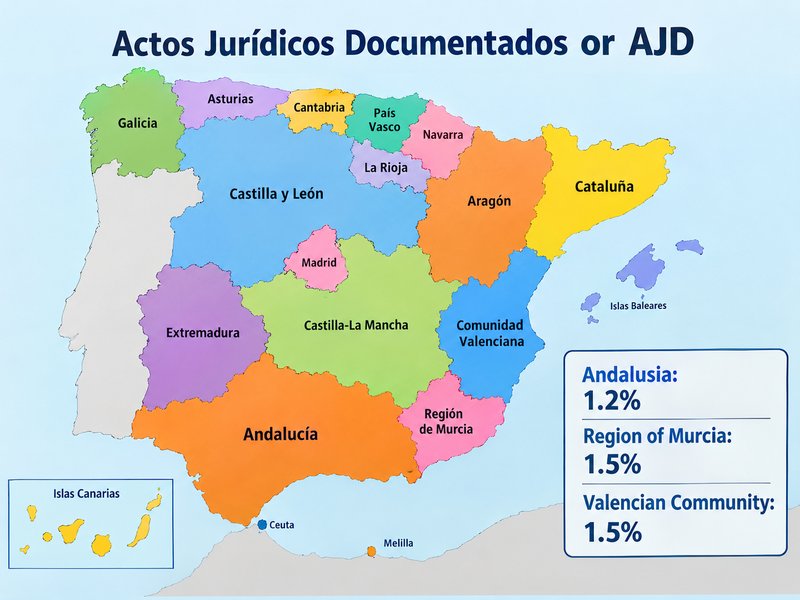 At the date of publication of this guide, the purchase of a newly built residential property in Spain is generally subject to Value Added Tax (VAT/IVA) at 10%. In addition to VAT, the purchaser will normally be required to pay Stamp Duty (Actos Jurídicos Documentados or AJD).
The applicable AJD rate depends on the Autonomous Community in which the property is located. Current general rates referred to in this guide include:
• Andalusia: 1.2%.
• Region of Murcia: 1.5%.
• Valencian Community: 1.5%.
Different or reduced rates may apply depending on the purchaser’s circumstances and the applicable regional tax legislation.
Tax rules and rates can also change. Buyers should therefore obtain up-to-date legal and tax advice based on their individual circumstances before proceeding with a purchase.
Frequently Asked Questions About Buying New-Build Property in Spain
Is it safe to buy an off-plan property in Spain?
Buying off-plan can involve specific legal and financial risks because the property may not yet have been constructed when the buyer becomes contractually committed. Appropriate legal due diligence, careful review of the Private Purchase Contract and verification of the arrangements protecting advance payments are therefore particularly important before proceeding.
How much will I normally pay before my new-build property is completed?
Payment schedules vary between developments. However, in many cases a purchaser may have paid approximately 30% to 40% of the purchase price, plus the corresponding VAT, before construction has been completed. The exact payment schedule should be clearly established in the Private Purchase Contract.
What happens if the developer finishes the property late?
The answer will depend on the terms of the Private Purchase Contract. Many contracts include provisions allowing the developer additional time to complete the property in specified circumstances. These clauses should be reviewed before signing so that the buyer understands when a delay may give rise to contractual rights and when the developer remains within an agreed extension period.
Can I obtain final mortgage approval before construction is finished?
Normally, definitive mortgage approval cannot be obtained at the beginning of an off-plan purchase because the completed property is not yet available for the lender to value and the buyer’s financial circumstances will need to be assessed at the relevant time.
An initial financial assessment can be useful, but it should not be treated as a guarantee that the mortgage will ultimately be approved.
C&D Solicitors: Property Lawyers for New-Build Purchases in Andalusia, Murcia and Valencia
If you are considering buying a new-build or off-plan property in Spain, C&D Solicitors can provide independent legal advice throughout the purchase process. We advise foreign individuals purchasing a second home, permanent residence or investment property, as well as companies investing in Spanish property. Our legal work includes carrying out comprehensive due diligence on the property and development, reviewing the developer’s contractual documentation, checking the Building Licence and planning situation, reviewing the protection of advance payments and bank guarantee arrangements, advising on the Private Purchase Contract and assisting with completion before the Spanish Notary Public.
As part of our legal due diligence service, we prepare a detailed written legal report setting out the legal status of the property and development together with the relevant findings of our investigation. Where possible, this report is provided before you sign the Private Purchase Contract and before substantial payments are made to the developer, so that you can make an informed decision before becoming legally committed to the purchase.
You can find further information about our property advice for foreign clients: https://www.cdsolicitors.com/buying-a-house-in-spain/
We provide a full legal service throughout the purchase process and can assist you in English, Dutch, Swedish, German, French and Arabic.
Telephone: 0034 952 532 582
WhatsApp: 0034 639 54 16 02
Email: info@cdsolicitors.com
We can review your circumstances, explain the legal process and provide you with information about our services and costs without obligation.
Author: Gustavo Calero Monereo, lawyer at C&D Solicitors, Property Law and Conveyancing, Torrox & Málaga, Andalusia, Spain

